Buy accessoires-kia.be ?
We are moving the project
accessoires-kia.be .
Are you interested in purchasing the domain
accessoires-kia.be ?
domain@kv-gmbh.de · 0541-91531010
Buy accessoires-kia.be ?
How tiring is canoeing?
Canoeing can be tiring, especially if you are paddling against strong currents or wind. The physical effort required to paddle for an extended period of time can lead to fatigue in the arms, shoulders, and back. However, the level of tiredness can vary depending on the individual's fitness level and experience with canoeing. Proper technique and pacing can also help to minimize the fatigue associated with canoeing. **
How can one go canoeing?
To go canoeing, one can start by finding a suitable location with calm waters such as a lake, river, or canal. Next, it is important to rent or purchase a canoe, along with essential safety gear such as life jackets and paddles. Before setting out on the water, it is recommended to familiarize oneself with basic paddling techniques and safety guidelines. Finally, enjoy the experience of exploring the waterways and nature while paddling in a canoe. **

Similar search terms for Canoeing
Top-Angebote
Products related to Canoeing:
-
What should I wear for canoeing?
When going canoeing, it is important to wear clothing that is comfortable and allows for ease of movement. Opt for quick-drying materials such as nylon or polyester to stay dry and comfortable on the water. It is also recommended to wear water shoes or sandals with good grip to prevent slipping. Additionally, consider wearing a hat and sunglasses to protect yourself from the sun. **
-
Which muscles are trained when canoeing?
Canoeing primarily works the muscles in the upper body, including the shoulders, arms, chest, and back. The repetitive motion of paddling engages these muscles, particularly the deltoids, triceps, and latissimus dorsi. Additionally, the core muscles are also activated to stabilize the body and maintain balance while paddling. Regular canoeing can help strengthen and tone these muscle groups, improving overall upper body strength and endurance. **
-
What should one wear when canoeing?
When canoeing, it is important to wear clothing that is comfortable and allows for ease of movement. Quick-drying materials such as nylon or polyester are ideal, as they will dry quickly if you get wet. It is also recommended to wear water shoes or sandals with straps to ensure they stay on your feet in case you capsize. Additionally, wearing a hat, sunglasses, and sunscreen is important to protect yourself from the sun's rays while out on the water. **
-
What do you need for canoeing?
For canoeing, you will need a canoe, paddles, life jackets, and a safety kit. The canoe should be appropriate for the type of water you will be navigating, and the paddles should be the right size and type for your needs. Life jackets are essential for safety, and a safety kit should include items such as a first aid kit, whistle, and rope. It's also important to consider the weather and bring appropriate clothing and sun protection. **
Which muscles are trained while canoeing?
Canoeing primarily trains the muscles of the upper body, including the arms, shoulders, and back. The repetitive motion of paddling engages the muscles of the arms and shoulders, particularly the deltoids, triceps, and biceps. Additionally, the twisting motion of the torso while paddling engages the muscles of the core and back, including the obliques and latissimus dorsi. Overall, canoeing provides a full-body workout, with a focus on the upper body muscles. **
Why can't he/she go canoeing?
He/she can't go canoeing because he/she has a fear of water and doesn't feel comfortable being in a small boat on the water. Additionally, he/she may not have the necessary swimming skills to feel safe in a canoe. Lastly, he/she may have a physical limitation that prevents him/her from being able to participate in canoeing, such as a recent injury or medical condition. **
Top-Angebote
Products related to Canoeing:
-
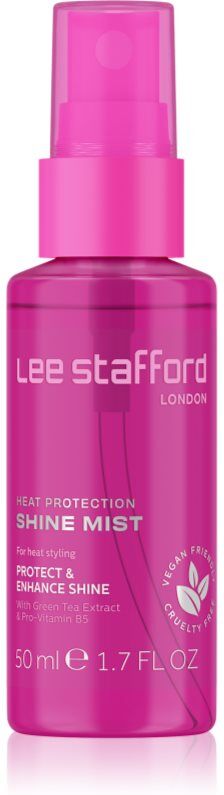
Lee Stafford Styling Heat Protection Shine Mist spray thermoprotecteur 50 mlLee Stafford Styling Heat Protection Shine Mist, 50 ml, Protecteurs de chaleur cheveux pour femme, Lorsque l’on utilise un sèche-cheveux, un lisseur ou un fer à boucler, notamment de manière répétée et fréquente, les cheveux sont soumis à rude épreuve et leur structure peut être considérablement altérée. Le produit thermo-protecteur pour les cheveux Lee Stafford Styling Heat Protection Shine Mist contribue à prévenir ce phénomène. Il crée un film de protection sur les cheveux qui les empêche d’être abîmés par la chaleur émise par les appareils de coiffure, tandis que les ingrédients nourrissants qu’il contient les renforcent et augmentent leur résistance face aux agressions extérieures. Le produit : constitue une protection efficace pour les cheveux exposés à la chaleur Mode d’emploi : Pulvérisez une quantité appropriée sur les cheveux avant de les sécher ou d’utiliser le fer à lisser ou le fer à boucler.4,30 €*Shipping: 3,45 €Secure redirect to the provider
-
so!flow Curl Styling & Protection Set coffret cadeau pour cheveux bouclésso!flow Curl Styling & Protection Set, , Crèmes coiffantes pour femme, Qui dit occasions spéciales, dit cadeaux spéciaux, que ce soit pour se faire plaisir ou pour gâter ceux que l’on aime. Le coffret cadeau so!flow Curl Styling & Protection Set contient un assortiment de parfums et de produits de beauté soigneusement sélectionnés et choisis avec amour. Que vous les découvriez tous en même temps ou que vous preniez le temps de les ouvrir, ces produits (vous) plairont à coup sûr. L'ensemble contient: so!flow Curly Hair Curl Activator activateur de boucles 150 ml so!flow Curly Hair Nourishing Fixing Foam mousse pour cheveux bouclés 170 ml so!flow Curly Hair Nourishing Spray spray sans rinçage pour cheveux bouclés 150 ml Le produit : définit les ondulations et les boucles de cheveux met en valeur les ondulations ou les boucles et définit leurs contours convient parfaitement aux cheveux bouclés et frisés stimule la formation naturelle des ondulations et des boucles donne de l’élasticité aux ondulations et aux boucles donne du volume dès la racine agréable parfum qui enveloppe vos cheveux mise en place des cheveux rapide et facile les cheveux ne deviennent pas gras augmente la brillance naturelle des cheveux constitue le cadeau idéal Mode d’emploi : Utilisez chaque produit contenu dans le coffret cosmétique en respectant les instructions fournies dans le mode d’emploi.15,00 €*Shipping: 3,45 €Secure redirect to the provider
-
How tiring is canoeing?
Canoeing can be tiring, especially if you are paddling against strong currents or wind. The physical effort required to paddle for an extended period of time can lead to fatigue in the arms, shoulders, and back. However, the level of tiredness can vary depending on the individual's fitness level and experience with canoeing. Proper technique and pacing can also help to minimize the fatigue associated with canoeing. **
-
How can one go canoeing?
To go canoeing, one can start by finding a suitable location with calm waters such as a lake, river, or canal. Next, it is important to rent or purchase a canoe, along with essential safety gear such as life jackets and paddles. Before setting out on the water, it is recommended to familiarize oneself with basic paddling techniques and safety guidelines. Finally, enjoy the experience of exploring the waterways and nature while paddling in a canoe. **
-
What should I wear for canoeing?
When going canoeing, it is important to wear clothing that is comfortable and allows for ease of movement. Opt for quick-drying materials such as nylon or polyester to stay dry and comfortable on the water. It is also recommended to wear water shoes or sandals with good grip to prevent slipping. Additionally, consider wearing a hat and sunglasses to protect yourself from the sun. **
-
Which muscles are trained when canoeing?
Canoeing primarily works the muscles in the upper body, including the shoulders, arms, chest, and back. The repetitive motion of paddling engages these muscles, particularly the deltoids, triceps, and latissimus dorsi. Additionally, the core muscles are also activated to stabilize the body and maintain balance while paddling. Regular canoeing can help strengthen and tone these muscle groups, improving overall upper body strength and endurance. **
Similar search terms for Canoeing
-
What should one wear when canoeing?
When canoeing, it is important to wear clothing that is comfortable and allows for ease of movement. Quick-drying materials such as nylon or polyester are ideal, as they will dry quickly if you get wet. It is also recommended to wear water shoes or sandals with straps to ensure they stay on your feet in case you capsize. Additionally, wearing a hat, sunglasses, and sunscreen is important to protect yourself from the sun's rays while out on the water. **
-
What do you need for canoeing?
For canoeing, you will need a canoe, paddles, life jackets, and a safety kit. The canoe should be appropriate for the type of water you will be navigating, and the paddles should be the right size and type for your needs. Life jackets are essential for safety, and a safety kit should include items such as a first aid kit, whistle, and rope. It's also important to consider the weather and bring appropriate clothing and sun protection. **
-
Which muscles are trained while canoeing?
Canoeing primarily trains the muscles of the upper body, including the arms, shoulders, and back. The repetitive motion of paddling engages the muscles of the arms and shoulders, particularly the deltoids, triceps, and biceps. Additionally, the twisting motion of the torso while paddling engages the muscles of the core and back, including the obliques and latissimus dorsi. Overall, canoeing provides a full-body workout, with a focus on the upper body muscles. **
-
Why can't he/she go canoeing?
He/she can't go canoeing because he/she has a fear of water and doesn't feel comfortable being in a small boat on the water. Additionally, he/she may not have the necessary swimming skills to feel safe in a canoe. Lastly, he/she may have a physical limitation that prevents him/her from being able to participate in canoeing, such as a recent injury or medical condition. **
* All prices are inclusive of VAT and, if applicable, plus shipping costs. The offer information is based on the details provided by the respective shop and is updated through automated processes. Real-time updates do not occur, so deviations can occur in individual cases. ** Note: Parts of this content were created by AI.