Buy accessoires-kia.be ?
We are moving the project
accessoires-kia.be .
Are you interested in purchasing the domain
accessoires-kia.be ?
domain@kv-gmbh.de · 0541-91531010
Buy accessoires-kia.be ?
Which TV channels can be received at Domaine Long Pré?
At Domaine Long Pré, guests can receive a variety of TV channels, including popular international channels such as CNN, BBC, and Eurosport. Additionally, there are channels available in different languages, catering to the diverse needs of the guests. The wide selection of TV channels ensures that guests can stay updated with news, sports, and entertainment during their stay at Domaine Long Pré. **
What does 'du brunzkache du ogsoachte' mean?
The phrase "du brunzkache du ogsoachte" is in the Bavarian dialect of German and translates to "you're crazy, you're delusional" in English. It is used to express disbelief or to dismiss someone's ideas or actions as irrational or nonsensical. **

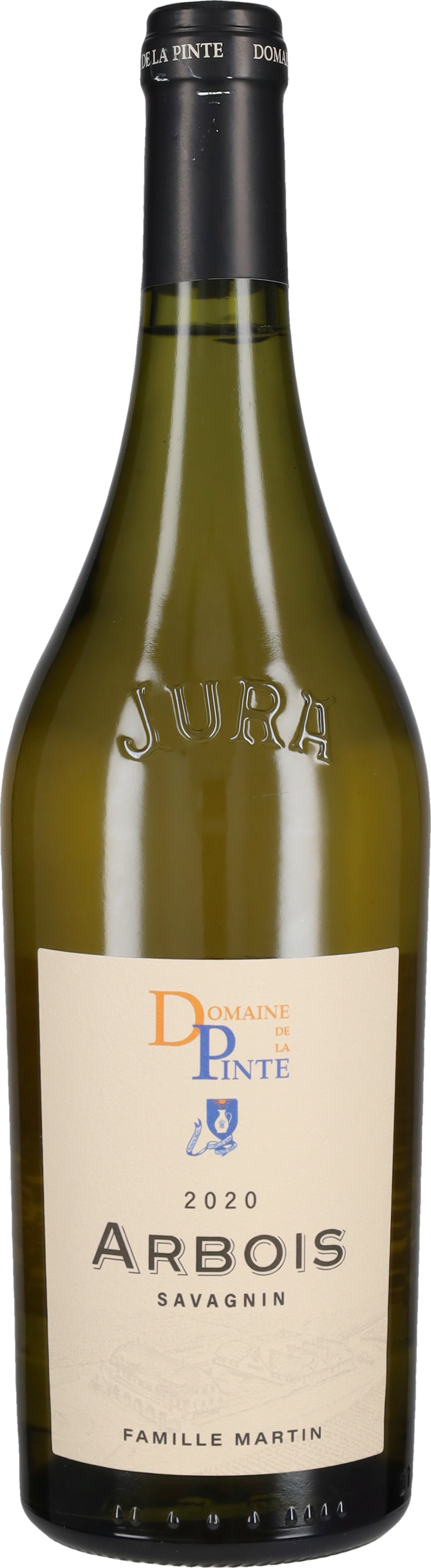
Similar search terms for Domaine-du-Pélican-Savagnin
Top-Angebote
Products related to Domaine-du-Pélican-Savagnin:
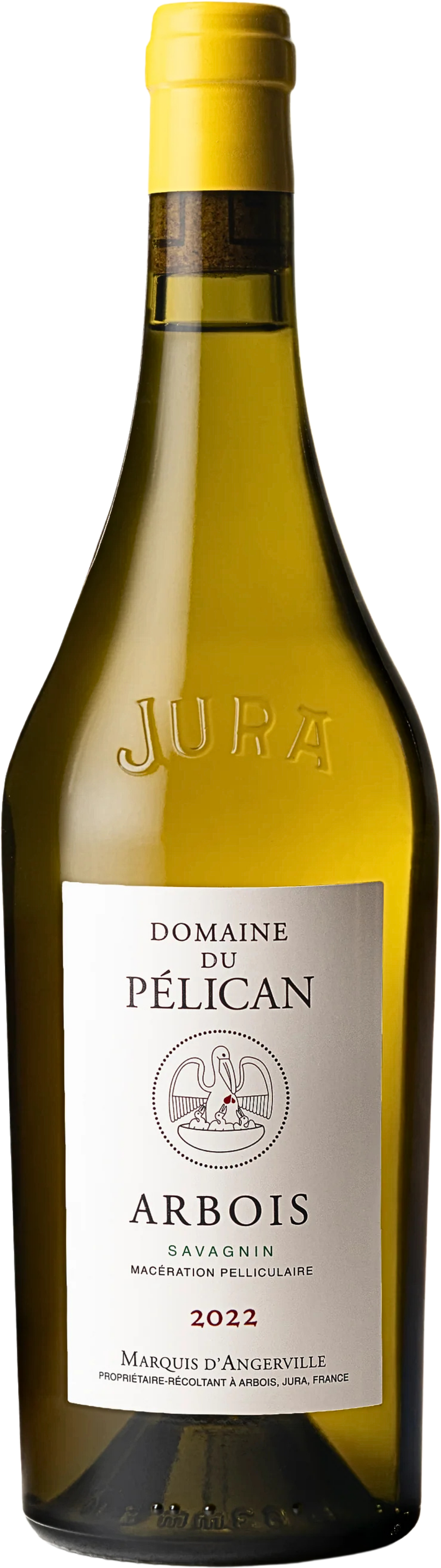

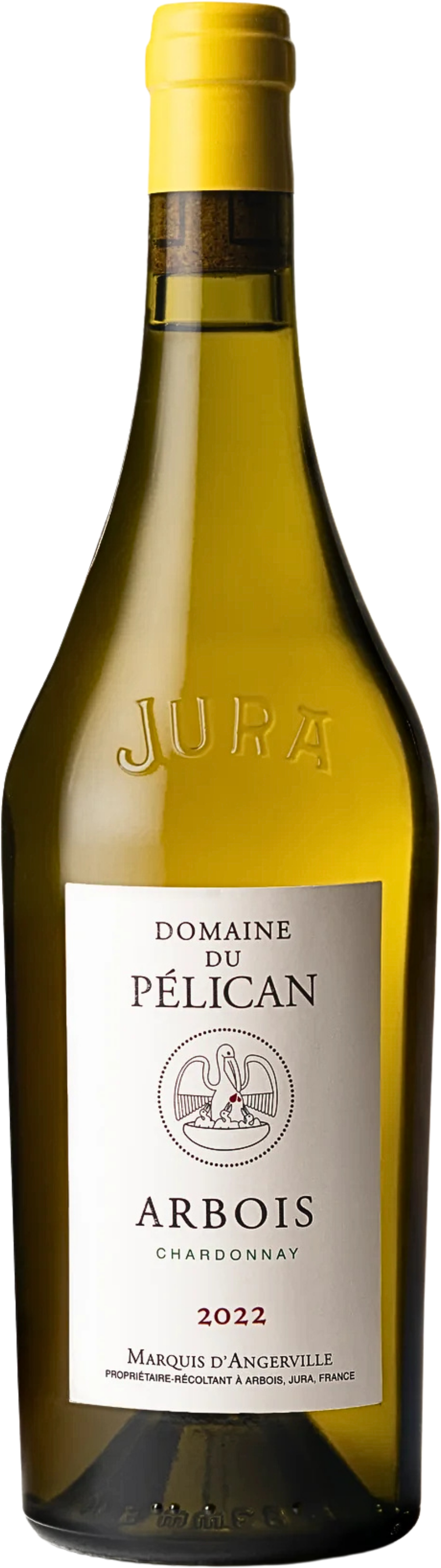

-
Is it said "Du backst" or "Du bäckst"?
The correct form is "Du backst." The verb "backen" means "to bake" in German, and when conjugated for the second person singular (du), it takes the form "backst." The umlaut (ä) in "bäckst" is incorrect in this context. **
-
Do you say "Du backst" or "Du bäckst"?
The correct spelling is "Du backst." The verb "backen" is conjugated as "backst" in the second person singular form. The umlaut on the letter "a" is not used in this conjugation. **
-
Does it say "Du hältst" or "Du hältst"?
It says "Du hältst." **
-
Does it say "Du backst" or "Du bäckst"?
It says "Du backst." The verb "backen" (to bake) is conjugated as "backst" in the second person singular form in the present tense. The form "Du bäckst" would be incorrect in standard German. **


Why do we say "du hältst" but not "du setzt" instead "du setzt dich"?
In German, the verb "setzen" typically requires a direct object, so when using it in the second person singular form, it is often accompanied by a reflexive pronoun to indicate that the action is being performed on oneself. This is why we say "du setzt dich" instead of just "du setzt." On the other hand, the verb "halten" does not require a direct object, so it can be used on its own without a reflexive pronoun, resulting in "du hältst." This distinction in usage is a characteristic of the German language and its grammar rules. **
Why is it "du nutzt" and not "du nutzst"?
The verb "nutzen" is an irregular verb in German, and its conjugation in the present tense for the second person singular (du) is "du nutzt" instead of "du nutzst." This irregularity is due to the vowel change in the stem of the verb. In German, some verbs undergo a vowel change in the stem in the present tense conjugation, and "nutzen" is one of those verbs. Therefore, the correct form is "du nutzt" to follow the irregular conjugation pattern of the verb "nutzen." **
Top-Angebote
Products related to Domaine-du-Pélican-Savagnin:
-
Savagnin 'Ouillé 36 mesi' Domaine de la Pinte 2020“Ouillé 36 maanden” is een concentratie van Jura, een pure en oprechte expressie van de Savagnin. Het is een van de prestigieuze etiketten van Domaine de la Pinte die heeft bijgedragen aan het succes van de wijnmakerij en de regio. We bevinden ons in de “regio”, als je het zo kunt noemen, van Jura, eeuwenlang beschouwd als de jongere zus van Bourgondië. In het verleden werd dit gebied altijd overschaduwd door de legendarische wezens van Bourgondië, waardoor het moeilijk was om op te vallen. Jaar na jaar heeft een steeds groter aantal getalenteerde producenten, die een respectvolle en gevoelige benadering van de plant en het land volgen, het Jura-gebied tot een van de meest innovatieve en interessante gemaakt. De combinatie van groot land en nobele druivenrassen heeft de faam van deze gronden en zijn producten bevestigd. En zo is deze parel van het Domaine geboren, een ontmoeting tussen de blauwe marne van Arbois en de Savagnin, de referentiedruif van het gebied, vooral bekend om het produceren van flessen met een oxidatieve stijl. In dit geval wordt het gemaakt volgens de techniek dell’Ouillè die erop gericht is om alle vaten te vullen om oxidatieve noten te voorkomen. “Ouillé 36 maanden” Savagnin komt voort uit de heuvels over de Alpen van Arbois, samengesteld uit blauwe marne met fossiele componenten, kalksteen en klei. De wijnstokken, die zich op ongeveer 400 meter hoogte bevinden, worden beïnvloed door het semi-continentale klimaat en de lichte oceaanbries. De aanpak in de wijngaard volgt de principes van biodynamische landbouw en verbiedt het gebruik van enige chemische stof. Alleen zo kan de integriteit van de bodem en de cyclus van de natuur worden behouden. In de kelder worden de fermentaties geactiveerd door inheemse gisten en de rijping, die 36 maanden duurt, vindt plaats in de klassieke “barrique” van 228 liter volgens de Ouillè-stijl die continue bijvullingen vereist. De Domaine de la Pinte 36 maanden kleurt met een prachtige intense gouden mantel. De neus overstroomt van noten van rijpe citrusvruchten en gedroogd fruit, afgewisseld met aroma's van zoete specerijen, exotisch fruit en minerale en krijtachtige sensaties. Op de tong is de lijnsmaak is zacht en verfijnd, perfect in balans met een stevige zuurheid. Uitstekende frisheid, licht aromatisch, die de persistentie verlengt. Een perfecte keuze om de verfijning van de Ouillè te waarderen!58,70 €*Shipping: 25,00 €Secure redirect to the provider
-
Which TV channels can be received at Domaine Long Pré?
At Domaine Long Pré, guests can receive a variety of TV channels, including popular international channels such as CNN, BBC, and Eurosport. Additionally, there are channels available in different languages, catering to the diverse needs of the guests. The wide selection of TV channels ensures that guests can stay updated with news, sports, and entertainment during their stay at Domaine Long Pré. **
-
What does 'du brunzkache du ogsoachte' mean?
The phrase "du brunzkache du ogsoachte" is in the Bavarian dialect of German and translates to "you're crazy, you're delusional" in English. It is used to express disbelief or to dismiss someone's ideas or actions as irrational or nonsensical. **
-
Is it said "Du backst" or "Du bäckst"?
The correct form is "Du backst." The verb "backen" means "to bake" in German, and when conjugated for the second person singular (du), it takes the form "backst." The umlaut (ä) in "bäckst" is incorrect in this context. **
-
Do you say "Du backst" or "Du bäckst"?
The correct spelling is "Du backst." The verb "backen" is conjugated as "backst" in the second person singular form. The umlaut on the letter "a" is not used in this conjugation. **
Similar search terms for Domaine-du-Pélican-Savagnin
-
Does it say "Du hältst" or "Du hältst"?
It says "Du hältst." **
-
Does it say "Du backst" or "Du bäckst"?
It says "Du backst." The verb "backen" (to bake) is conjugated as "backst" in the second person singular form in the present tense. The form "Du bäckst" would be incorrect in standard German. **
-
Why do we say "du hältst" but not "du setzt" instead "du setzt dich"?
In German, the verb "setzen" typically requires a direct object, so when using it in the second person singular form, it is often accompanied by a reflexive pronoun to indicate that the action is being performed on oneself. This is why we say "du setzt dich" instead of just "du setzt." On the other hand, the verb "halten" does not require a direct object, so it can be used on its own without a reflexive pronoun, resulting in "du hältst." This distinction in usage is a characteristic of the German language and its grammar rules. **
-
Why is it "du nutzt" and not "du nutzst"?
The verb "nutzen" is an irregular verb in German, and its conjugation in the present tense for the second person singular (du) is "du nutzt" instead of "du nutzst." This irregularity is due to the vowel change in the stem of the verb. In German, some verbs undergo a vowel change in the stem in the present tense conjugation, and "nutzen" is one of those verbs. Therefore, the correct form is "du nutzt" to follow the irregular conjugation pattern of the verb "nutzen." **
* All prices are inclusive of VAT and, if applicable, plus shipping costs. The offer information is based on the details provided by the respective shop and is updated through automated processes. Real-time updates do not occur, so deviations can occur in individual cases. ** Note: Parts of this content were created by AI.