Buy accessoires-kia.be ?
We are moving the project
accessoires-kia.be .
Are you interested in purchasing the domain
accessoires-kia.be ?
domain@kv-gmbh.de · 0541-91531010
Buy accessoires-kia.be ?
What is viscosity?
Viscosity is a measure of a fluid's resistance to flow. It is a property that describes how thick or sticky a fluid is. High viscosity fluids are thick and resist flowing easily, while low viscosity fluids are thin and flow more easily. Viscosity is influenced by factors such as temperature, pressure, and the composition of the fluid. **
How is viscosity defined?
Viscosity is defined as the measure of a fluid's resistance to flow. It is a measure of the internal friction within a fluid, which determines how easily the fluid can flow. The higher the viscosity, the more resistant the fluid is to flow, and the lower the viscosity, the easier the fluid can flow. Viscosity is an important property in various industries, such as in the manufacturing of products like paints, food, and pharmaceuticals, as well as in the study of fluid dynamics and the behavior of fluids. **

Similar search terms for Viscosity
Top-Angebote
Products related to Viscosity:
-
What does viscosity mean? Answer: Viscosity describes how thick the liquid is.
Viscosity is a measure of a fluid's resistance to flow. It is a measure of how thick or sticky a liquid is, and it is often described as the fluid's "thickness." The higher the viscosity, the slower the liquid flows. Viscosity is an important property in various industries, such as food, pharmaceuticals, and oil, as it can affect the performance and behavior of the liquids. **
-
What is viscosity in chemistry?
Viscosity in chemistry refers to the measure of a fluid's resistance to flow. It is a property that describes how easily a liquid can flow, and is influenced by factors such as temperature and molecular structure. High viscosity fluids are thick and resistant to flow, while low viscosity fluids are thin and flow easily. Viscosity is an important property in various chemical and industrial processes, as it affects the behavior and performance of liquids. **
-
How do I calculate viscosity?
Viscosity is typically calculated by measuring the time it takes for a fluid to flow through a specific apparatus, such as a viscometer. The viscosity of a fluid is then determined using the formula: viscosity = (2 * (density of the fluid) * (ball radius)^2 * (ball density) * (g) * (t))/(9 * (ball velocity)), where t is the time taken for the ball to fall through the fluid, g is the acceleration due to gravity, and the other variables are properties of the fluid and the apparatus. Alternatively, viscosity can also be calculated using the formula: viscosity = (shear stress) / (shear rate), where shear stress is the force applied to the fluid and shear rate is the rate at which the fluid is deformed. **
-
Which alkane has a greater viscosity?
The viscosity of an alkane increases with the increase in molecular weight. Therefore, the alkane with a greater molecular weight will have a greater viscosity. For example, among the straight-chain alkanes, octane (C8H18) will have a greater viscosity than butane (C4H10) due to its higher molecular weight. **
What is the viscosity of different alkanes?
The viscosity of different alkanes varies depending on their molecular weight and structure. Generally, alkanes with longer carbon chains have higher viscosities compared to alkanes with shorter chains. This is because longer carbon chains have more surface area for intermolecular interactions, leading to higher resistance to flow. Additionally, branching in the alkane structure can decrease viscosity by disrupting the ability of molecules to pack closely together. **
What is the viscosity of supercritical fluids?
The viscosity of supercritical fluids is typically lower than that of liquids but higher than that of gases. This unique property allows supercritical fluids to flow and diffuse through solids like a gas, while still having some solvent-like properties of a liquid. The viscosity of supercritical fluids can be adjusted by changing the temperature and pressure conditions, making them versatile solvents in various industrial processes such as extraction and chromatography. **
Top-Angebote
Products related to Viscosity:
-
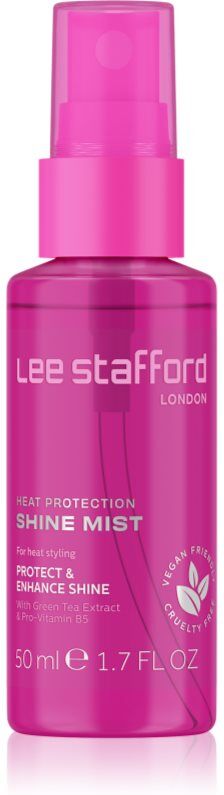
Lee Stafford Styling Heat Protection Shine Mist spray thermoprotecteur 50 mlLee Stafford Styling Heat Protection Shine Mist, 50 ml, Protecteurs de chaleur cheveux pour femme, Lorsque l’on utilise un sèche-cheveux, un lisseur ou un fer à boucler, notamment de manière répétée et fréquente, les cheveux sont soumis à rude épreuve et leur structure peut être considérablement altérée. Le produit thermo-protecteur pour les cheveux Lee Stafford Styling Heat Protection Shine Mist contribue à prévenir ce phénomène. Il crée un film de protection sur les cheveux qui les empêche d’être abîmés par la chaleur émise par les appareils de coiffure, tandis que les ingrédients nourrissants qu’il contient les renforcent et augmentent leur résistance face aux agressions extérieures. Le produit : constitue une protection efficace pour les cheveux exposés à la chaleur Mode d’emploi : Pulvérisez une quantité appropriée sur les cheveux avant de les sécher ou d’utiliser le fer à lisser ou le fer à boucler.4,30 €*Shipping: 3,45 €Secure redirect to the provider
-
so!flow Curl Styling & Protection Set coffret cadeau pour cheveux bouclésso!flow Curl Styling & Protection Set, , Crèmes coiffantes pour femme, Qui dit occasions spéciales, dit cadeaux spéciaux, que ce soit pour se faire plaisir ou pour gâter ceux que l’on aime. Le coffret cadeau so!flow Curl Styling & Protection Set contient un assortiment de parfums et de produits de beauté soigneusement sélectionnés et choisis avec amour. Que vous les découvriez tous en même temps ou que vous preniez le temps de les ouvrir, ces produits (vous) plairont à coup sûr. L'ensemble contient: so!flow Curly Hair Curl Activator activateur de boucles 150 ml so!flow Curly Hair Nourishing Fixing Foam mousse pour cheveux bouclés 170 ml so!flow Curly Hair Nourishing Spray spray sans rinçage pour cheveux bouclés 150 ml Le produit : définit les ondulations et les boucles de cheveux met en valeur les ondulations ou les boucles et définit leurs contours convient parfaitement aux cheveux bouclés et frisés stimule la formation naturelle des ondulations et des boucles donne de l’élasticité aux ondulations et aux boucles donne du volume dès la racine agréable parfum qui enveloppe vos cheveux mise en place des cheveux rapide et facile les cheveux ne deviennent pas gras augmente la brillance naturelle des cheveux constitue le cadeau idéal Mode d’emploi : Utilisez chaque produit contenu dans le coffret cosmétique en respectant les instructions fournies dans le mode d’emploi.15,00 €*Shipping: 3,45 €Secure redirect to the provider
-
What is viscosity?
Viscosity is a measure of a fluid's resistance to flow. It is a property that describes how thick or sticky a fluid is. High viscosity fluids are thick and resist flowing easily, while low viscosity fluids are thin and flow more easily. Viscosity is influenced by factors such as temperature, pressure, and the composition of the fluid. **
-
How is viscosity defined?
Viscosity is defined as the measure of a fluid's resistance to flow. It is a measure of the internal friction within a fluid, which determines how easily the fluid can flow. The higher the viscosity, the more resistant the fluid is to flow, and the lower the viscosity, the easier the fluid can flow. Viscosity is an important property in various industries, such as in the manufacturing of products like paints, food, and pharmaceuticals, as well as in the study of fluid dynamics and the behavior of fluids. **
-
What does viscosity mean? Answer: Viscosity describes how thick the liquid is.
Viscosity is a measure of a fluid's resistance to flow. It is a measure of how thick or sticky a liquid is, and it is often described as the fluid's "thickness." The higher the viscosity, the slower the liquid flows. Viscosity is an important property in various industries, such as food, pharmaceuticals, and oil, as it can affect the performance and behavior of the liquids. **
-
What is viscosity in chemistry?
Viscosity in chemistry refers to the measure of a fluid's resistance to flow. It is a property that describes how easily a liquid can flow, and is influenced by factors such as temperature and molecular structure. High viscosity fluids are thick and resistant to flow, while low viscosity fluids are thin and flow easily. Viscosity is an important property in various chemical and industrial processes, as it affects the behavior and performance of liquids. **
Similar search terms for Viscosity
-
How do I calculate viscosity?
Viscosity is typically calculated by measuring the time it takes for a fluid to flow through a specific apparatus, such as a viscometer. The viscosity of a fluid is then determined using the formula: viscosity = (2 * (density of the fluid) * (ball radius)^2 * (ball density) * (g) * (t))/(9 * (ball velocity)), where t is the time taken for the ball to fall through the fluid, g is the acceleration due to gravity, and the other variables are properties of the fluid and the apparatus. Alternatively, viscosity can also be calculated using the formula: viscosity = (shear stress) / (shear rate), where shear stress is the force applied to the fluid and shear rate is the rate at which the fluid is deformed. **
-
Which alkane has a greater viscosity?
The viscosity of an alkane increases with the increase in molecular weight. Therefore, the alkane with a greater molecular weight will have a greater viscosity. For example, among the straight-chain alkanes, octane (C8H18) will have a greater viscosity than butane (C4H10) due to its higher molecular weight. **
-
What is the viscosity of different alkanes?
The viscosity of different alkanes varies depending on their molecular weight and structure. Generally, alkanes with longer carbon chains have higher viscosities compared to alkanes with shorter chains. This is because longer carbon chains have more surface area for intermolecular interactions, leading to higher resistance to flow. Additionally, branching in the alkane structure can decrease viscosity by disrupting the ability of molecules to pack closely together. **
-
What is the viscosity of supercritical fluids?
The viscosity of supercritical fluids is typically lower than that of liquids but higher than that of gases. This unique property allows supercritical fluids to flow and diffuse through solids like a gas, while still having some solvent-like properties of a liquid. The viscosity of supercritical fluids can be adjusted by changing the temperature and pressure conditions, making them versatile solvents in various industrial processes such as extraction and chromatography. **
* All prices are inclusive of VAT and, if applicable, plus shipping costs. The offer information is based on the details provided by the respective shop and is updated through automated processes. Real-time updates do not occur, so deviations can occur in individual cases. ** Note: Parts of this content were created by AI.